


Winters in the UK can be cold, long, and difficult to bear – especially for ageing adults and those facing disabilities or complicated medical conditions. That’s why the Department for Works and Pensions (DWP) offers a cold weather grant to eligible candidates following 7 consecutive days of cold weather.
There are several requirements surrounding this grant, and this article explains them all in detail. Keep reading to learn what money is available, how to apply, and what areas are eligible.
What is the Cold Weather Payment?
As winter in the UK sets in and temperatures fall, certain costs may rise. Heating and travel costs may increase, and it may become more difficult to get around. These small reimbursements are designed to offset some of these cold weather inconveniences.
The Cold Weather Payment is available to anyone who receives means-tested benefits and endures 7 consecutive days of cold weather. To be eligible, the temperature must drop to 0°C or below. The incentive runs from 1st November 2023 to 31st March 2024. The DWP grants £25 to each eligible individual and/or household. Some areas were eligible for three different Cold Weather payments from 2022 to 2023. Individuals receiving all three payouts would receive £75 in total.
The initial Cold Weather Payment scheme ended in March, but the DWP plans to offer another round of payments. Below, we’ll explain when this scheme starts and how to claim it. You can also click here if you believe you were entitled to a Cold Weather Payment and didn’t receive one.
Cold Weather Payment Eligibility
Eligibility for this payout depends on a few factors, including your location, the weather report, and whether or not you receive a government-issued benefit. If your area experiences extreme cold (temperatures recorded as 0°C or below) for more than 7 consecutive days, you may be entitled to a £25 payment. Even if the temperatures were forecasted to be 0°C or below but remained above this threshold, you may still qualify.
But the weather and your location aren’t the only factors. You also need to receive one of the following benefits:
- Income Support
- Pension Credit
- Universal Credit
- Support for Mortgage Interest (SMI)
- Income-based Jobseeker’s Allowance
- Income-related Employment and Support Allowance (ESA)
Income Support or Income-Based Jobseeker’s Allowance
Most people are eligible for the Cold Weather Payment if they receive one of these benefits and have the following:
- A child with a disability
- A child under the age of 5 living with you
- A disability or pensioner premium
- Child Tax Credit that includes a severe disability or disability element
Pension Credit
Individuals receiving Pension Credit living in a care home are not eligible for the Cold Weather Payment.
Universal Credit
When claiming Universal Credit, you’ll receive a Cold Weather Payment if you’re unemployed and not self-employed. One of the following must also apply.
- You have a child under the age of 5 living with you
- You have a disabled child (in this case, your employment status doesn’t matter)
- You have a disability or health condition that limits your ability to work
Income-related Employment and Support Allowance (ESA)
Most people receiving this benefit can also collect a Cold Weather Payment if enrolled in a work-related activity or support group. In lieu of this, you need one of the following to be eligible.
- A child with a disability
- Child Tax Credit that includes a severe disability or disability element
- A child under the age of 5 living with you
- A pensioner premium or an enhanced or severe disability premium
How to Apply for the Cold Weather Payment
One good thing about this scheme is that there’s no need to apply. The DWP makes automatic payments based on your location, reported weather conditions, and current benefits. Individuals receiving a means-tested benefit who experienced seven days of cold weather should automatically receive their payment. In most cases, payments are deposited within 2 weeks (or 14 working days).
If your current circumstances have changed (i.e., you lost your job, had a baby, or a child under 5 moves in with you), you can contact Jobcentre Plus to update your status and eligibility.
Cold Weather Payments: Cost Breakdown
Anyone eligible for the Cold Weather Payment will receive £25 per week for every seven consecutive days of cold weather (0°C or below) between the months of November 2023 and March 2024. The next scheme is set to begin on the 1st of November, 2024.
During the original scheme, certain locations received three periods of extreme cold and, therefore, £75 in payouts per person. According to the DWP, over £130 million of Cold Weather Payments were made to households throughout England and Wales during the 2022/2023 scheme. In total, 2 million payments were made to pensioners and 3 million to working families. Most payments (80%) were requested in December – one of the coldest months in the UK.
List of Eligible Postal Codes
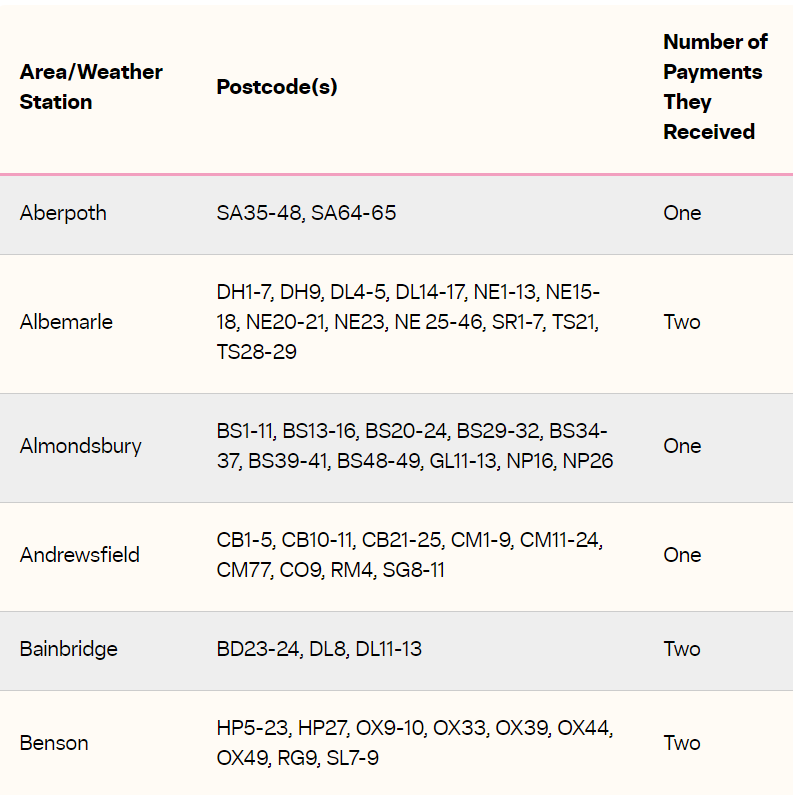
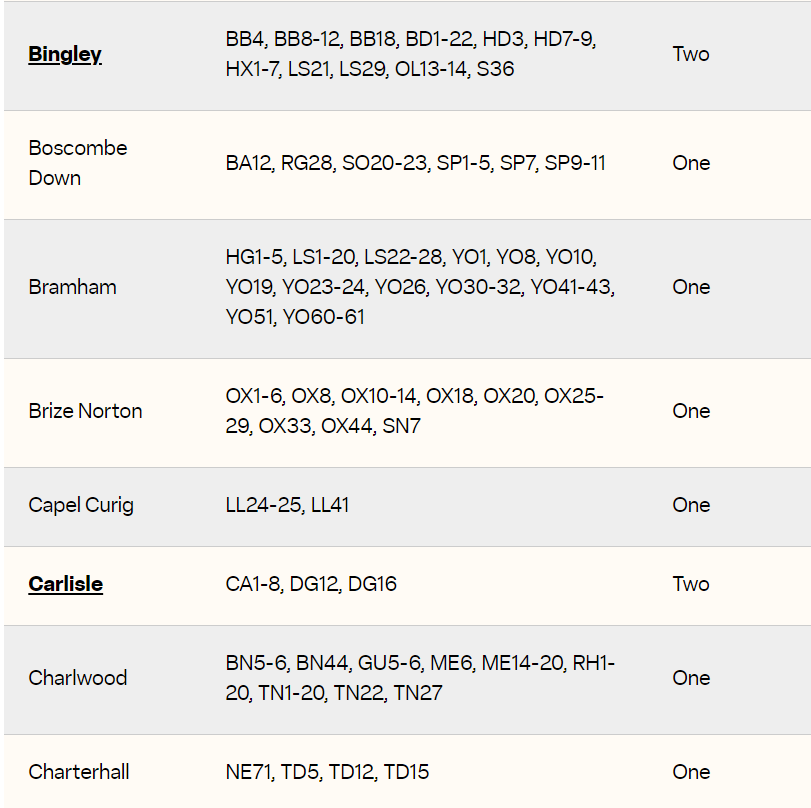
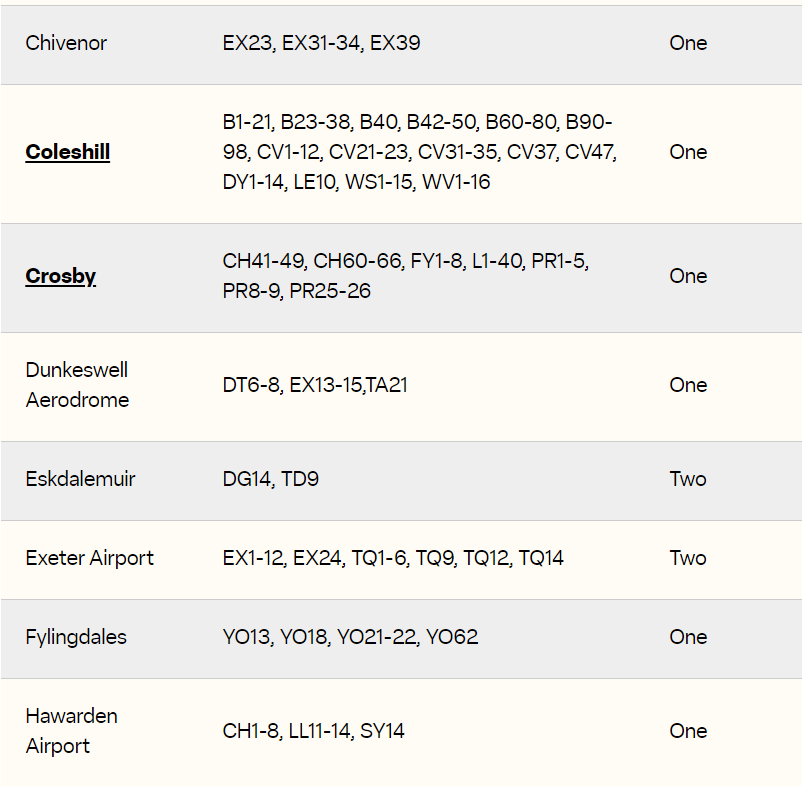
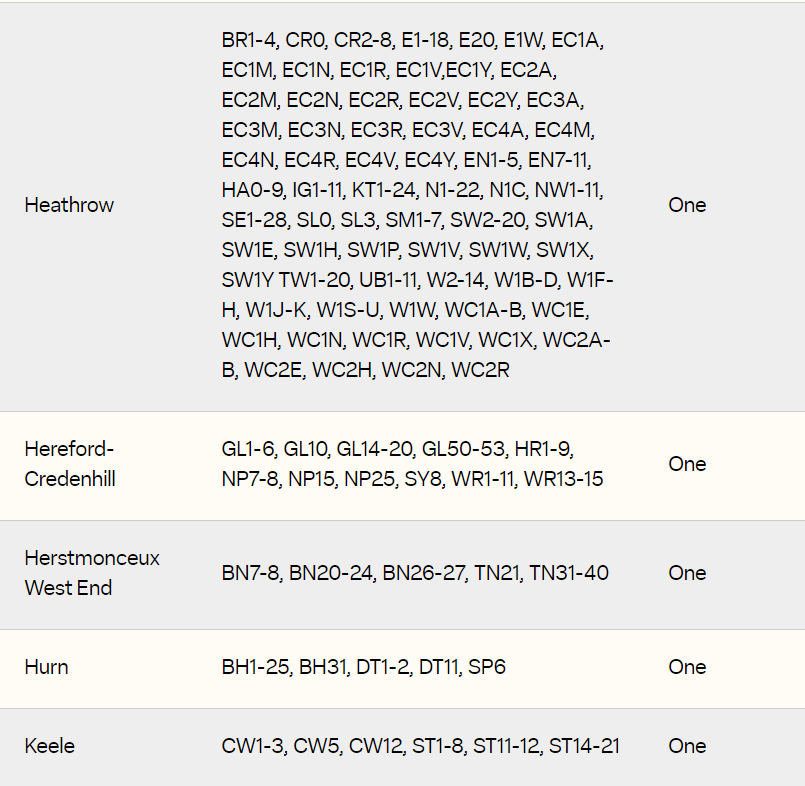
Below, you’ll find a list of all postal codes eligible for the most recent Cold Weather Payment. If you don’t see your postal code or aren’t sure, use this postcode checker to find your specific location.
The DWP uses a network of over 70 weather stations to determine which postcodes are eligible and have met the cold weather requirements. These stations the area’s average temperature over a span of seven days. Each residential postcode is assigned a specific weather station specifically to determine eligibility. These weather stations were used to generate the chart below. All listed postcodes are accurate as of the 13th of January, 2023. The chart also shows how many separate payments each postcode received – 1, 2, 3. From this list, you can also get a general idea of whether or not your location will experience temperatures 0°C or below and receive future payments.
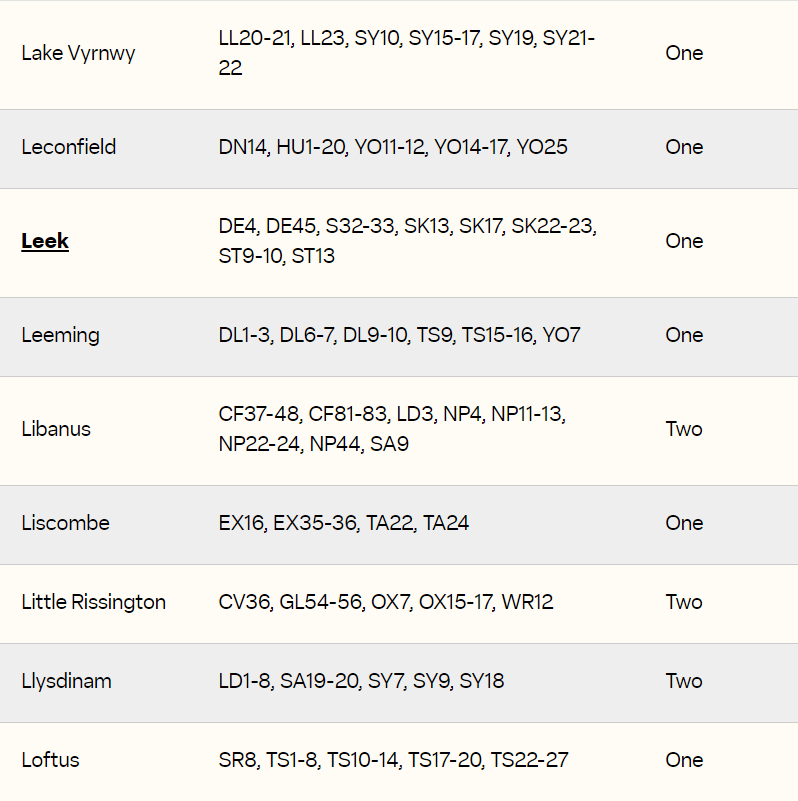
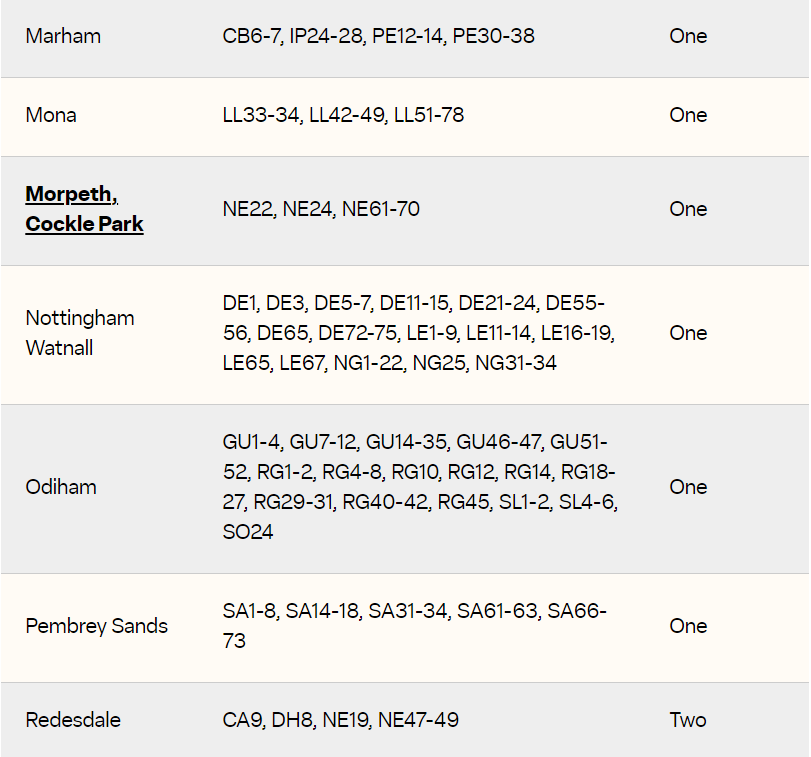
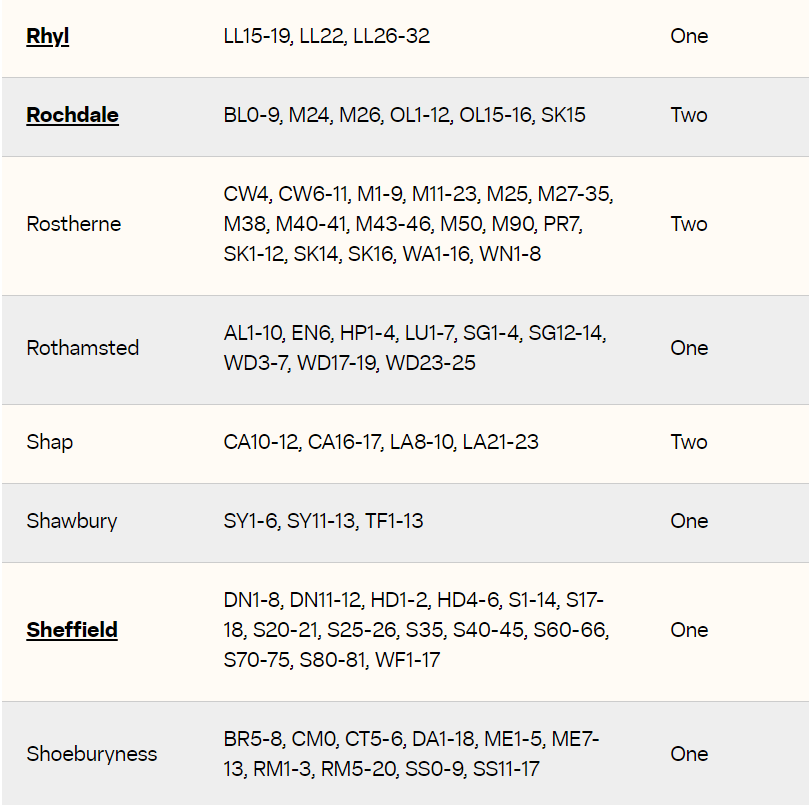
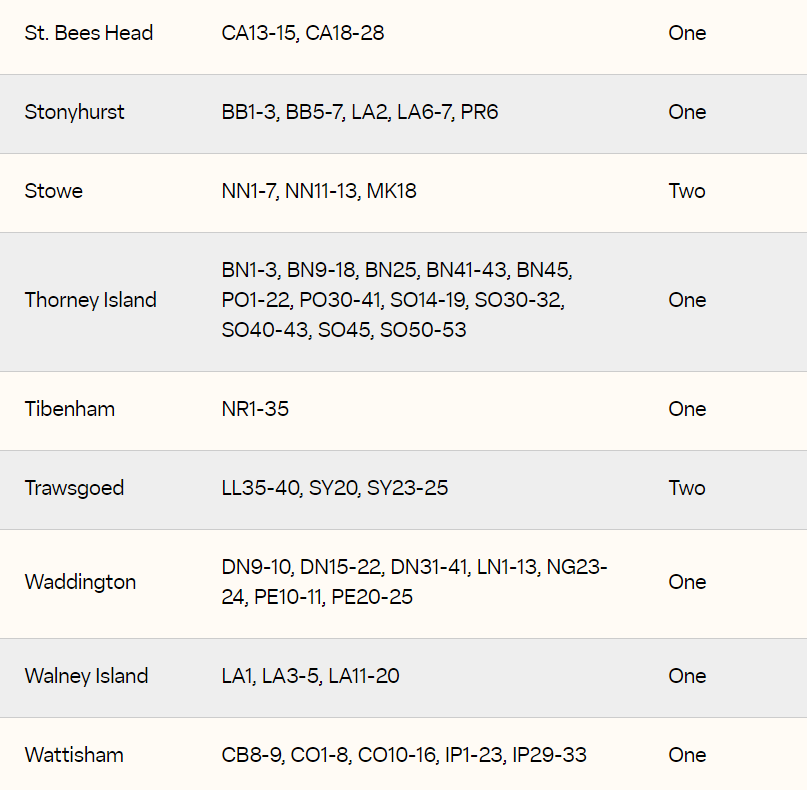
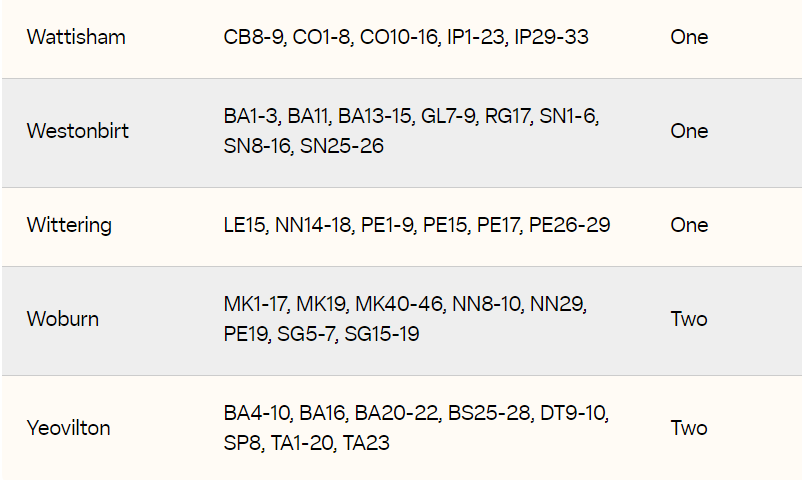
If you’re located in any of these areas and believe you’re entitled to a Cold Weather Payment you didn’t receive, contact either the Jobcentre Plus or Pension Service.
Frequently Asked Questions About Cold Weather Payments
The Cold Weather Payment scheme has run a few times, but questions about how it works and what areas are eligible still remain. Here are some frequently asked questions and answers to help clear up any confusion.
How do I challenge a decision?
If you believe you should have received a Cold Weather Payment (or more than one), but it failed to arrive, contact the Pension Service or Jobcentre Plus. For individuals receiving the Universal Credit benefit, you must sign into your account and add a note to your journal. You can also call the helpline at 0800 328 9344.
If you were deemed ineligible and disagree with the determination, you can ask the DWP to revisit your claim. This process is known as a mandatory reconsideration. The DWP will review your case before determining whether you were wrongly denied. If you’re still unhappy with the final decision, you can make an appeal to an independent tribunal. All disputes need to be made within one month of the original decision.
How can I check if my area is due for a Cold Weather Payment?
Checking whether you should have received a Cold Weather Payment is easy. There are several places to look, but the postcode checker is the most convenient and accurate. Based on the weather reports of over 70 local news channels, this checker can accurately determine whether your area experienced temperatures at or below 0°C for seven consecutive days. If you still have questions, contact Jobcentre Plus or the Pension Service.
Can I collect a Cold Weather Payment if I live in Scotland?
Not all regions offer Cold Weather Payments. If you reside in Scotland when this scheme was available, you’re not eligible for reimbursement. However, a different benefit is available – a Winter Heating Payment. This payout awards eligible applicants £55.05. This scheme only applies to a one-week time span, not the entire winter. In 2022, this week ran from the 6th of November to the 12th. In 2023, it applied to the 7th of November until the 13th.
Eligibility for this benefit depends on the following factors.
- The person receives a qualifying benefit.
- The qualifying benefit was paid on at least one day during the first full week of November. (This is known as the qualifying week.)
- The person must meet one other specific requirement of the qualifying benefit.
If you live in Scotland and want more information about the Winter Heating Payment, click here.
When will the next Cold Weather Payment scheme begin?
The UK has offered a Cold Weather Payment for the last few years and has no plans to stop. The next scheme will start on the 1st of November, 2024, and end on the 31st of March, 2025. As of this writing, the payment will remain the same – £25 for 7 days of consecutive cold weather in a given area.
Warm Up with Cold Weather Payments
Don’t let the cold, dark days of winter get you down. When the temperature drops and your heating costs rise, you may be entitled to help from your local Government. The Cold Weather Payment is only available under specific circumstances, but you can appeal a decision if you feel you were wrongly denied. These payments are automatically deposited, so you don’t have to do anything except sit back, bundle up, and wait for your benefit to arrive!
 Previous
